Flat Roof Maintenance Tips Every Manchester Business Owner Should Follow
Why Flat Roofs Need Special Attention in Manchester
Manchester receives significantly more rainfall than the UK average, and flat roofs, by design, do not shed water as quickly as pitched roofs. Even a slight defect in drainage or membrane integrity can lead to standing water, which accelerates material degradation and increases the risk of leaks. For businesses in areas like Trafford Park, Wythenshawe, and Salford Quays, where flat roofs dominate, maintenance is not optional, it is essential.
Schedule Bi-Annual Inspections
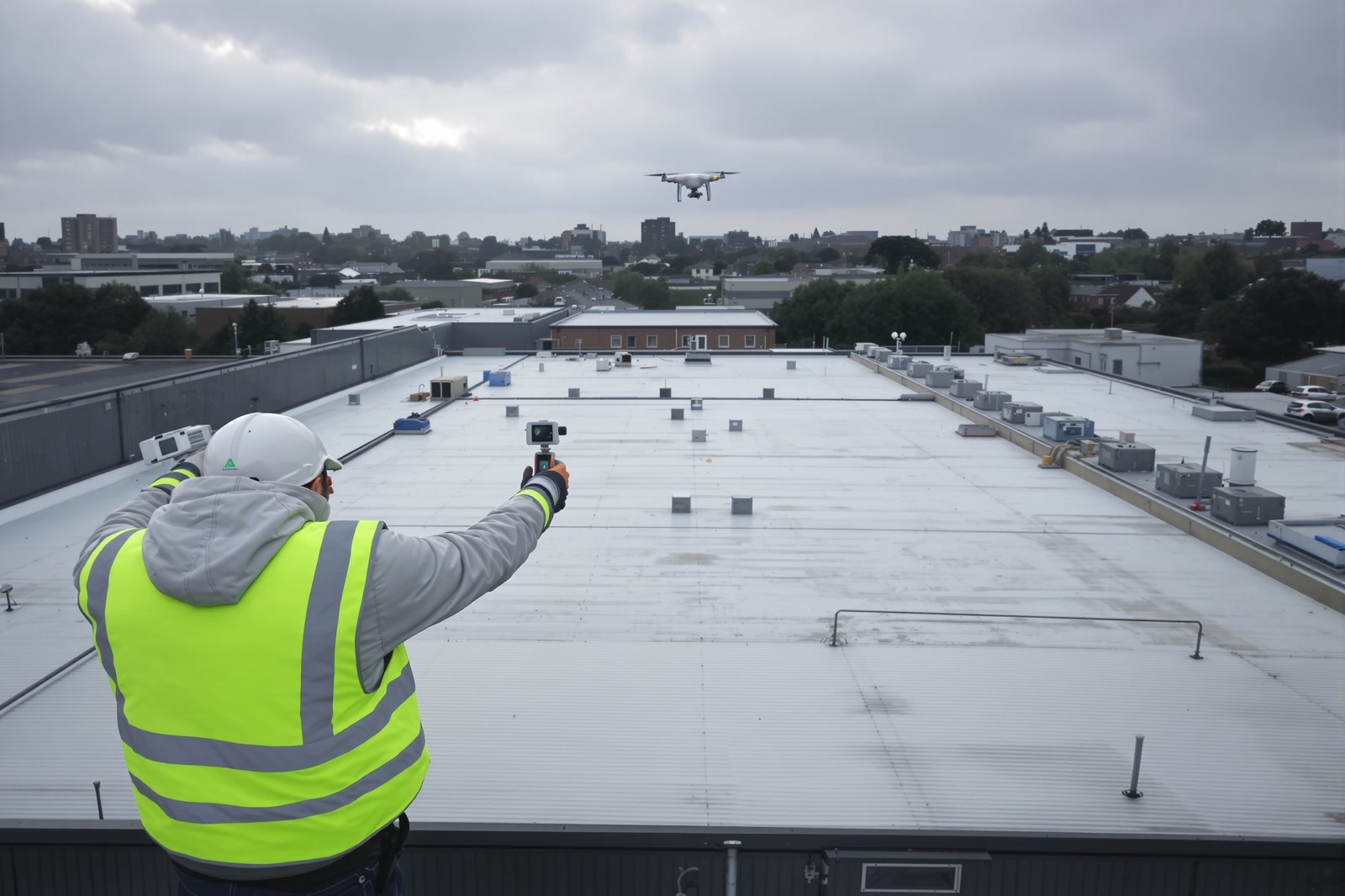
We recommend inspecting your flat roof at least twice a year, ideally in spring and autumn. The spring inspection assesses any winter damage from freeze-thaw cycles, high winds, and heavy rain. The autumn inspection prepares the roof for winter by clearing debris, checking drainage, and identifying any summer heat-related damage. A professional commercial roofing contractor can carry out these inspections efficiently and provide a detailed condition report.
Keep Gutters and Drains Clear
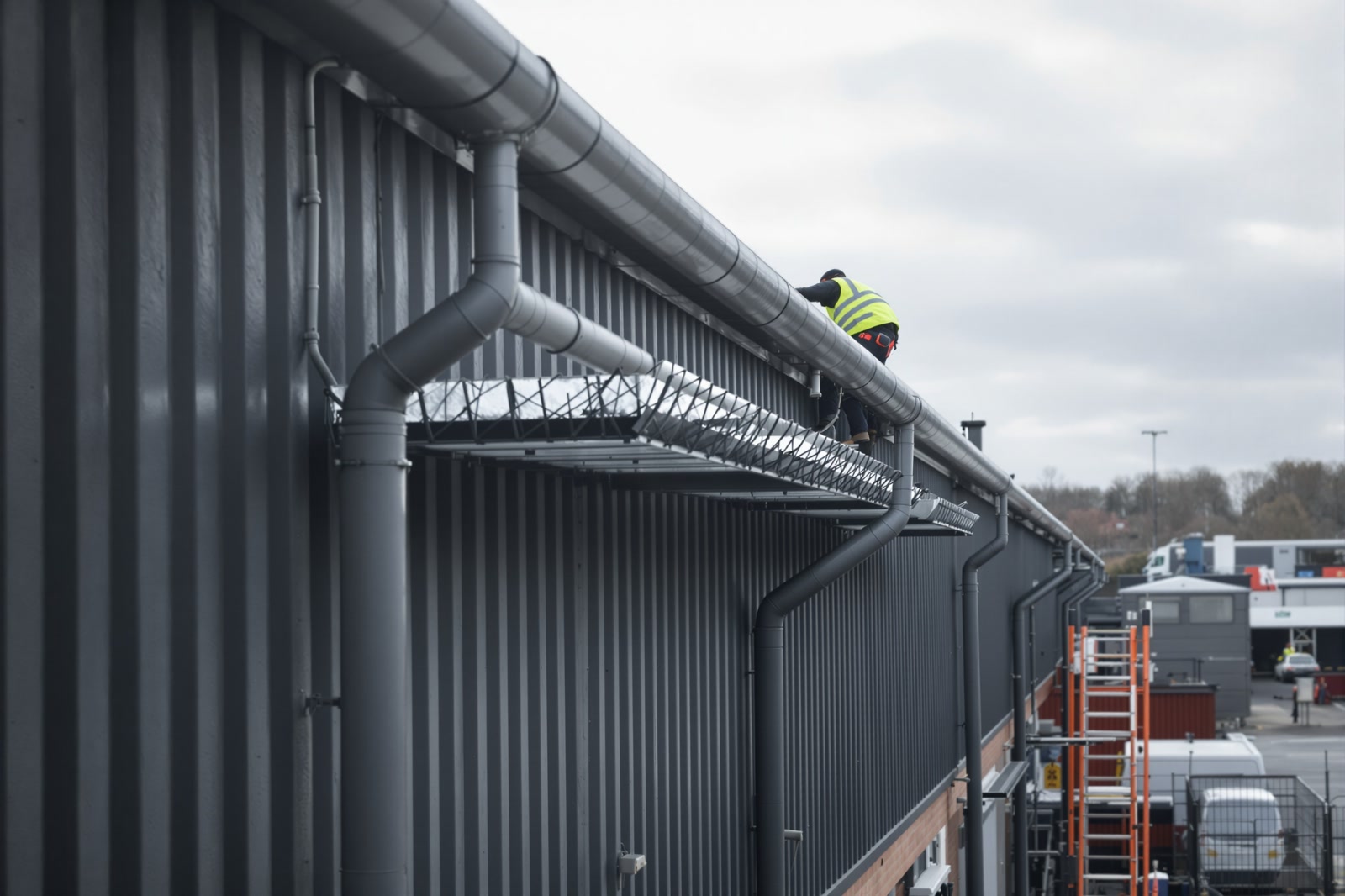
Blocked gutters and drains are the single most common cause of flat roof leaks. Leaves, moss, and litter accumulate quickly, especially on commercial buildings surrounded by trees or near busy roads. During Manchester's autumn months, gutters can fill within weeks. Schedule quarterly gutter clearance, and consider installing leaf guards on downpipes to reduce blockages.
Check for Ponding Water
Ponding water, water that remains on the roof surface 48 hours after rainfall, is a critical warning sign. It indicates poor drainage, insufficient falls, or structural deflection. Left untreated, ponding water increases the load on the roof structure, promotes algae and moss growth, and eventually breaches the waterproof membrane. If you notice ponding, contact a commercial roofing specialist immediately.
Inspect Seams, Joints, and Flashings
The weakest points on any flat roof are the seams where membrane sheets join, the joints around penetrations like vents and pipes, and the flashings at wall abutments. These areas experience the most thermal movement and are the first to fail. A quick visual check from a safe vantage point can reveal cracked sealant, lifted edges, or rusted metalwork that needs attention.
Monitor for Blistering and Cracking
Blistering occurs when trapped air or moisture expands beneath the roof membrane, creating raised bubbles. Cracking appears as the membrane ages and loses flexibility, particularly on older felt or asphalt roofs. Both are signs that the waterproof layer is degrading. Early intervention, such as localised patching or overlay systems, can prevent the need for a full roof replacement.
Maintain Roof Access and Safety Equipment
If your maintenance staff need to access the roof, ensure walkways, guardrails, and anchor points are in good condition. Manchester's wet weather makes roof surfaces slippery and dangerous. Using a professional roofing contractor for inspections eliminates this risk and ensures thorough, safe assessments.

Need Professional Roofing Advice?
Our team of Manchester roofing specialists is ready to help with your commercial roofing project, large or small.
Get a Free Quote