Industrial Roof Refurbishment vs Full Replacement: What Manchester Facilities Need to Know
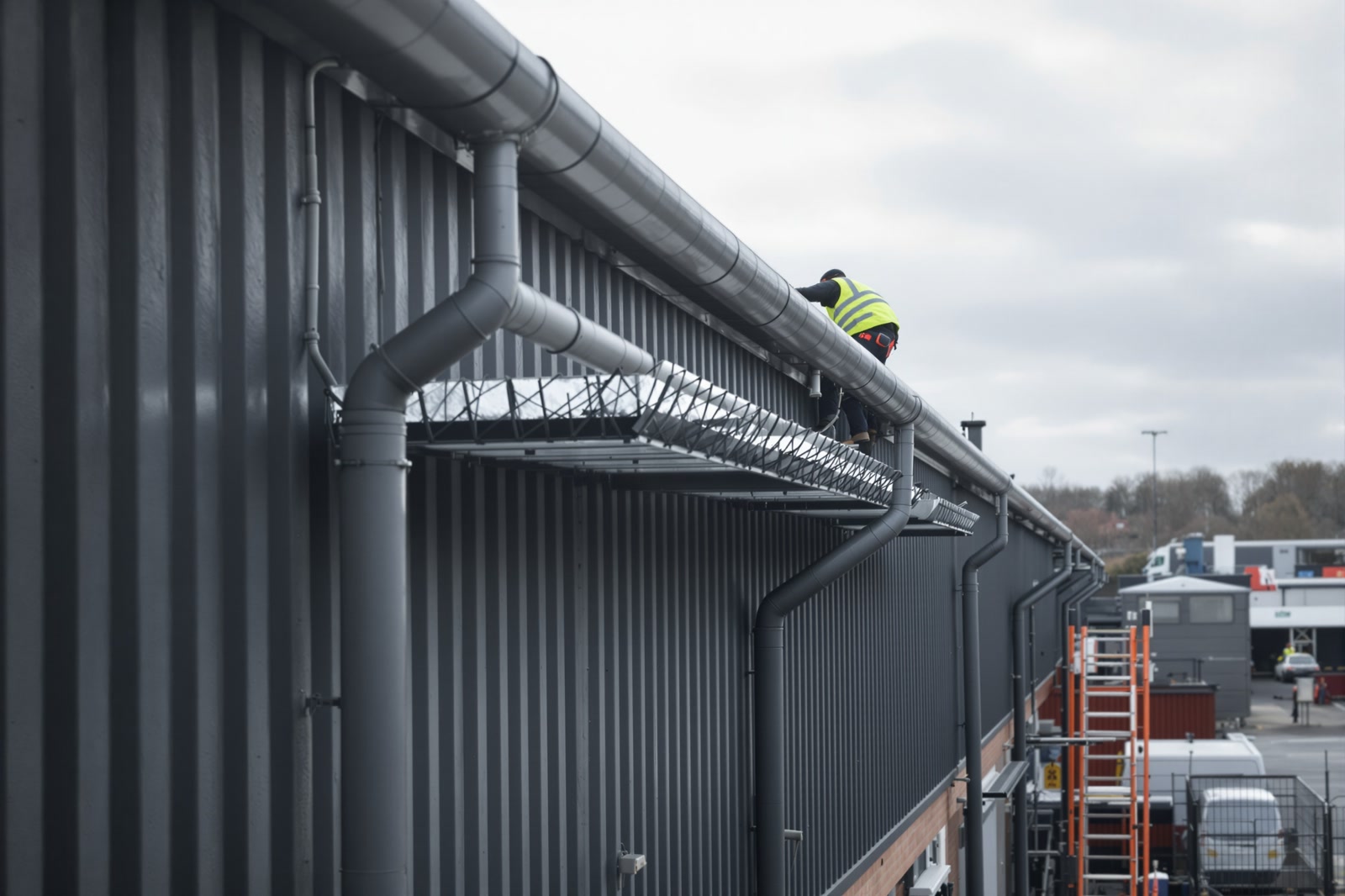
The Refurbishment vs Replacement Dilemma
Industrial roofs in Manchester face relentless exposure to rain, wind, pollution, and temperature swings. After 20 to 30 years, even the best-installed systems begin to show their age. Facility managers across Greater Manchester, from Stockport to Rochdale and Tameside to Bolton, regularly face the same question: should we refurbish the existing roof or invest in a complete replacement?
When Refurbishment Is the Right Choice
Roof refurbishment is viable when the underlying structure is sound and the waterproof layer is the primary issue. If your industrial roof has isolated leaks, minor membrane degradation, or surface damage but the deck, insulation, and supports are intact, a refurbishment can add 15 to 20 years of life at a fraction of the cost of replacement.
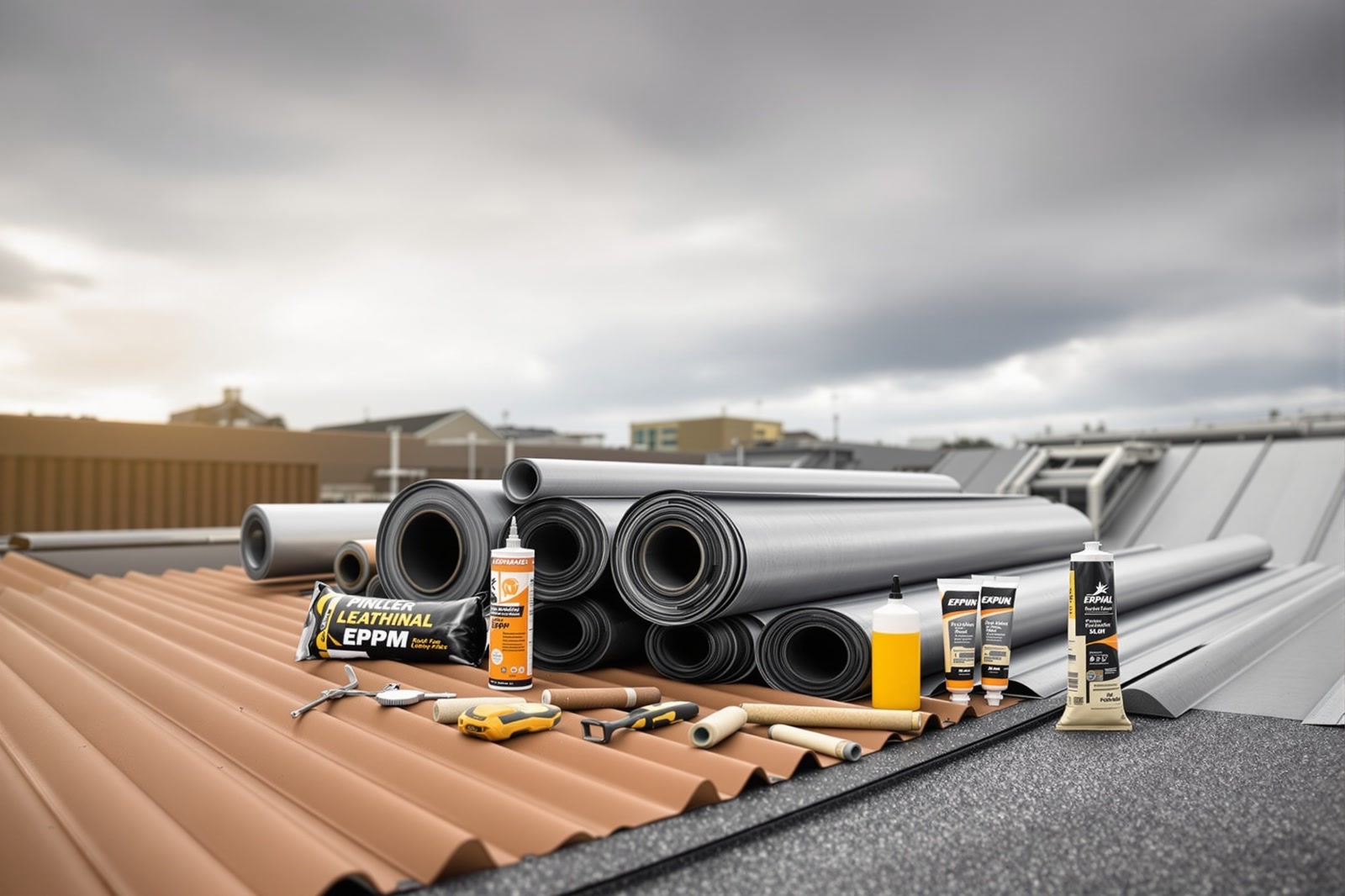
Common refurbishment options include liquid-applied coating systems, single-ply membrane overlays, and built-up felt re-covering. These systems are installed over the existing roof, reducing labour costs, minimising disruption to operations, and avoiding the waste and disposal costs of a full strip-off.
When Replacement Becomes Necessary
Full roof replacement is the only safe option when the roof deck is compromised by rot, corrosion, or structural failure. Signs that replacement is needed include widespread sagging, waterlogged insulation across large areas, failed structural joints, or multiple layers of previous repairs that have created an unstable build-up.
Replacement is also necessary when the existing roof has been patched so many times that further repairs are no longer economically viable. As a rule of thumb, if the cost of refurbishment exceeds 60% of the cost of replacement, it is time to start fresh.
Cost Comparison for Manchester Industrial Buildings
For a typical 10,000 square foot industrial unit in Manchester, a membrane overlay refurbishment typically costs £25 to £40 per square metre, while a full strip-and-replace installation ranges from £60 to £90 per square metre. However, the true cost difference is narrower than it appears. Refurbishment may need repeating in 15 years, while a new roof can last 30 to 40 years with proper maintenance.
Disruption to Business Operations
Refurbishment is generally faster and less disruptive than replacement. Overlay systems can often be installed while the building remains operational, with work staged to avoid critical areas. Full replacement may require temporary weatherproofing, internal protection, and in extreme cases, partial shutdowns. For Manchester factories and distribution centres operating 24/7, this operational impact can be a decisive factor.
Building Regulations and Warranty Implications
Under current UK building regulations, any work covering more than 25% of a roof area must improve the overall thermal performance of the building. This means both refurbishment and replacement projects typically involve upgrading insulation, which adds cost but delivers long-term energy savings. New installations also come with full manufacturer warranties, whereas refurbishments may have limited or pro-rated coverage.
Getting Professional Advice
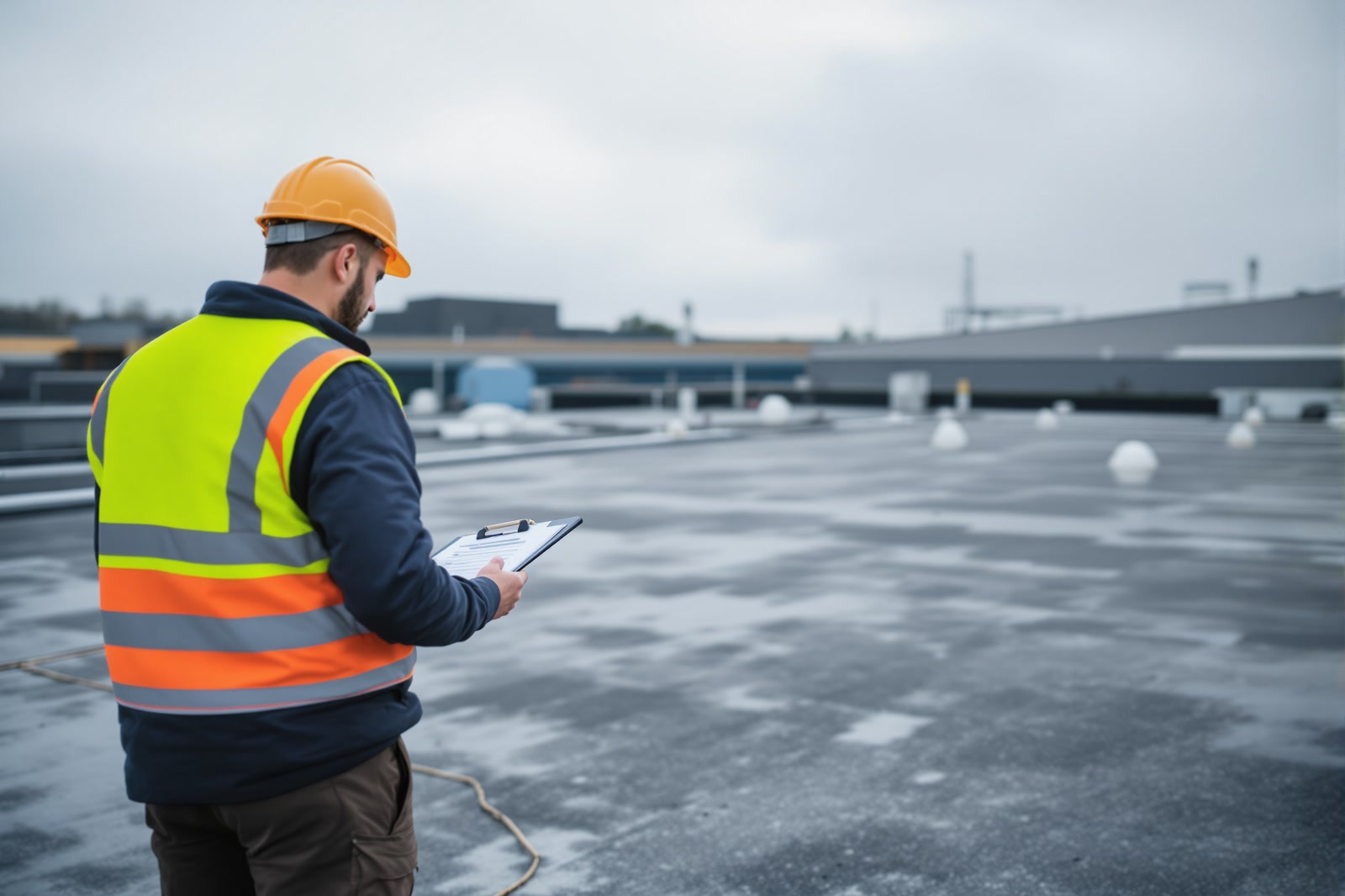
The refurbishment vs replacement decision should never be made without a professional roof survey. A qualified commercial roofing contractor can assess the structural integrity of the deck, the condition of the insulation, the extent of moisture ingress, and the feasibility of various refurbishment options. This data-driven approach ensures you make the decision that delivers the best long-term value for your Manchester facility.
Need Professional Roofing Advice?
Our team of Manchester roofing specialists is ready to help with your commercial roofing project, large or small.
Get a Free Quote