How Manchester's Weather Affects Commercial Roofs and What to Do About It
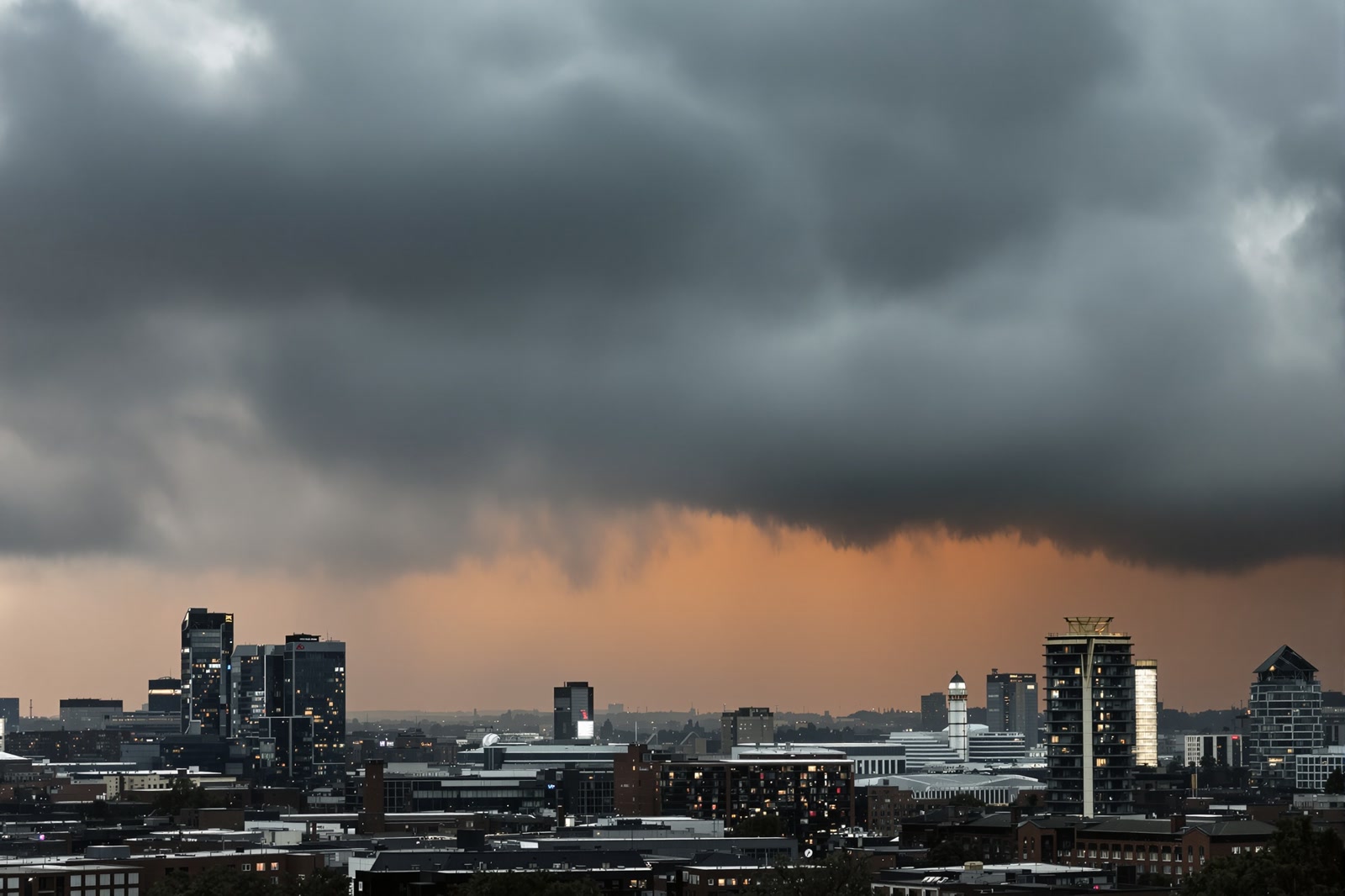
Manchester: One of the UK's Wettest Cities
Manchester averages between 800mm and 1,000mm of rainfall annually, making it one of the wettest major cities in the UK. This persistent moisture, combined with frequent high winds, rapid temperature changes, and occasional hail, creates a uniquely hostile environment for commercial roofing. Roofs that might last 40 years in drier parts of England often need more frequent attention here. Understanding how Manchester's specific weather patterns affect your roof is essential for effective maintenance planning.
The Freeze-Thaw Cycle
During Manchester's winter months, temperatures frequently fluctuate around the freezing point. Water that seeps into small cracks or membrane gaps during the day freezes and expands at night, widening the defect. Over successive freeze-thaw cycles, minor imperfections become major breaches. This is particularly damaging to older felt and asphalt roofs, which become brittle with age and lose the elasticity needed to accommodate expansion.
Wind Uplift and Storm Damage
Manchester sits in a natural wind corridor, with prevailing south-westerlies funnelling moisture from the Atlantic. Storms rolling off the Irish Sea can produce gusts exceeding 70mph, especially in exposed industrial areas like Trafford Park and Rochdale. Wind uplift forces can tear poorly secured membranes, lift flashings, and drive rain sideways into joints and penetrations that would never leak in calm conditions. Post-storm inspections are essential for commercial properties across Greater Manchester.
Persistent Moisture and Moss Growth
Manchester's high humidity means moisture lingers on roof surfaces long after rainfall stops. This persistent dampness creates ideal conditions for moss, algae, and lichen growth, particularly on north-facing roofs and in shaded areas. While moss itself does not directly damage EPDM or metal roofs, it traps moisture against the surface, accelerates the degradation of sealants, and blocks drainage paths. Regular cleaning and biocide treatments are more necessary here than in drier regions.
UV Degradation, Even in the North
Many Manchester property owners assume UV damage is only a concern in sunnier southern counties. This is a mistake. When clear skies do appear, especially during summer, UV radiation penetrates the thinner ozone layer at northern latitudes and degrades exposed membrane surfaces. Over years, this photochemical ageing causes rubber and plastic-based membranes to lose flexibility, crack, and chalk. UV-resistant coatings and regular inspections help mitigate this invisible threat.
Pollution and Acid Rain
Despite significant improvements since the Industrial Revolution, Manchester still experiences elevated levels of atmospheric pollution from traffic and industry. Acid rain, formed when atmospheric pollutants combine with moisture, gradually erodes metal flashings, corrodes gutters, and degrades some membrane materials. Commercial properties near major roads, industrial zones, or the city centre face the highest exposure and benefit from more frequent cleaning and protective treatments.
Tailored Maintenance for Manchester Conditions
Given these environmental challenges, Manchester commercial roofs benefit from a tailored maintenance approach. We recommend quarterly gutter clearance, bi-annual professional inspections, annual biocide treatment for moss control, and protective coating refresh every 5 to 7 years. For buildings in exposed locations or near industrial sources, increasing inspection frequency to quarterly can catch problems before they become emergencies.
Material Selection for Manchester's Climate
Not all roofing materials perform equally in Manchester. EPDM rubber offers exceptional weather resistance and longevity. Liquid-applied systems create seamless waterproof layers ideal for complex roof shapes. Metal cladding with protective coatings withstands pollution and thermal cycling. When replacing or refurbishing a commercial roof in Manchester, material selection should be guided by local weather data rather than generic national recommendations.
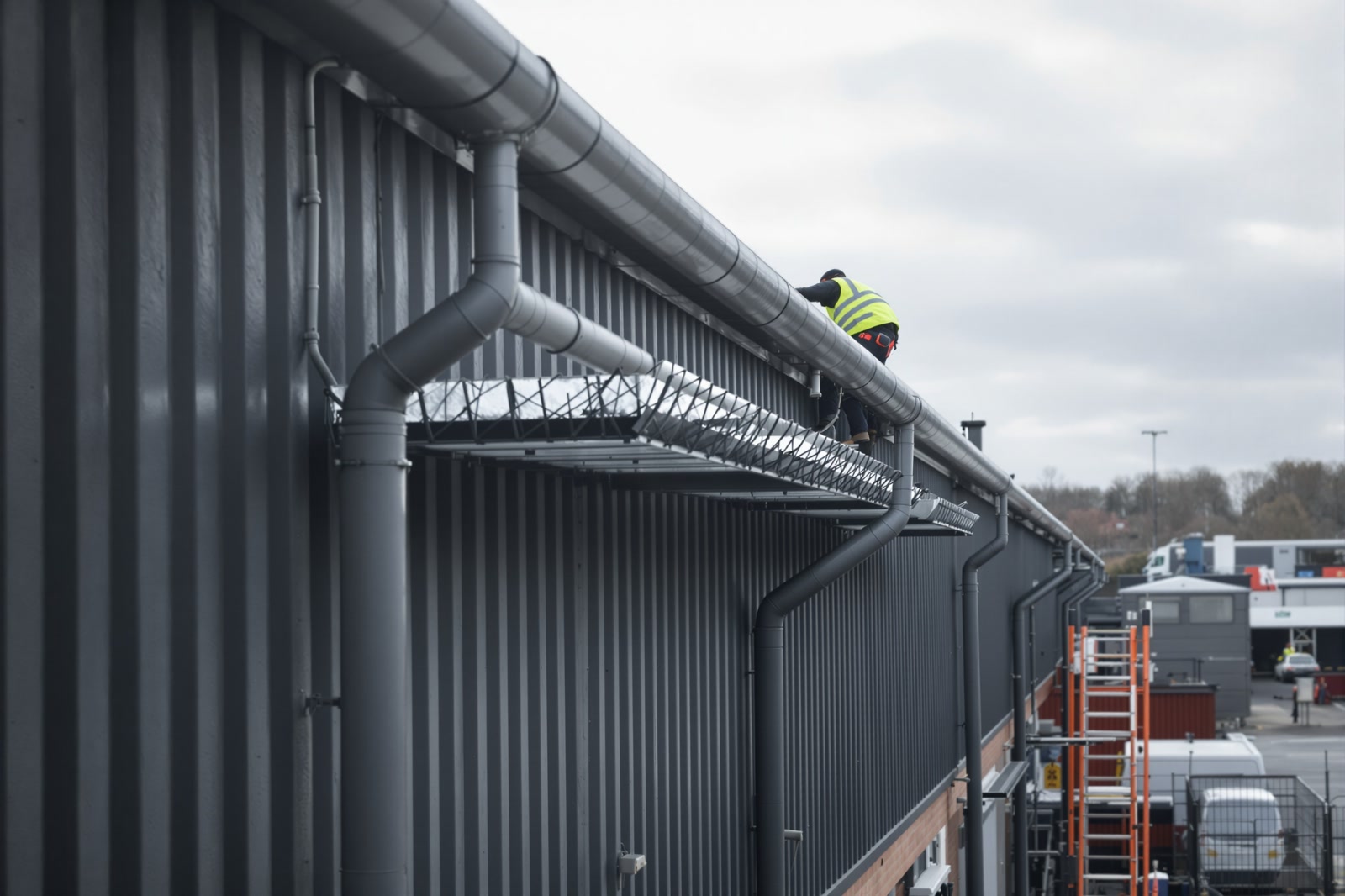

Need Professional Roofing Advice?
Our team of Manchester roofing specialists is ready to help with your commercial roofing project, large or small.
Get a Free Quote